Urban
Heat Island
Heat Island
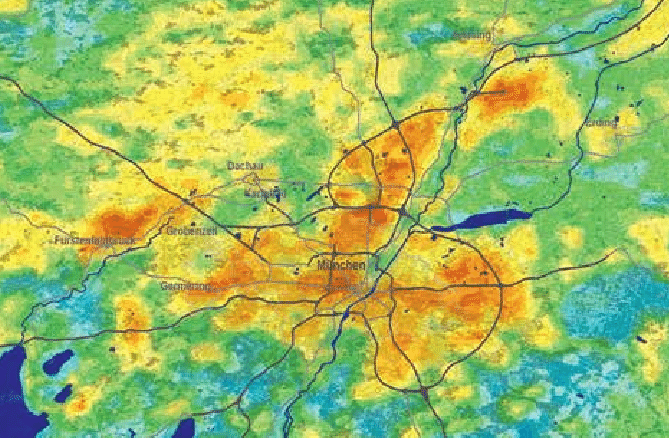
Our platform provides detailed analysis, hotspot mapping, and actionable solutions to mitigate the effects of urban heat islands (UHI). Explore our interactive Munich map and real-world case studies to design sustainable and cost-effective systems.
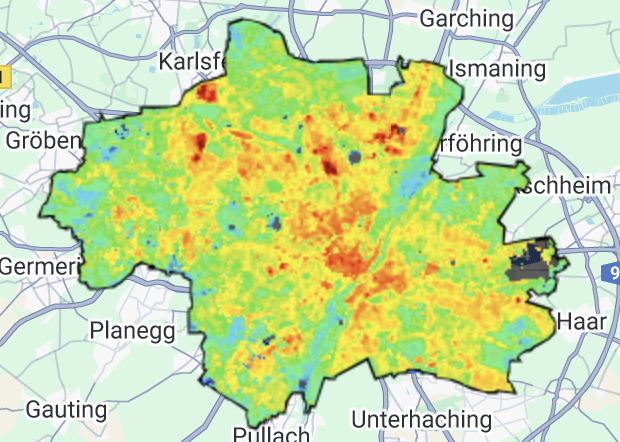
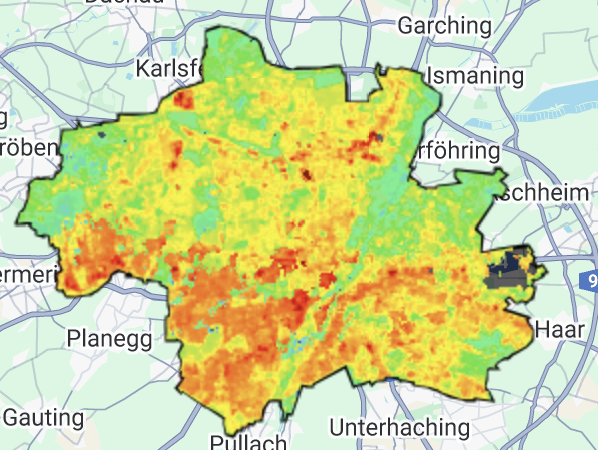
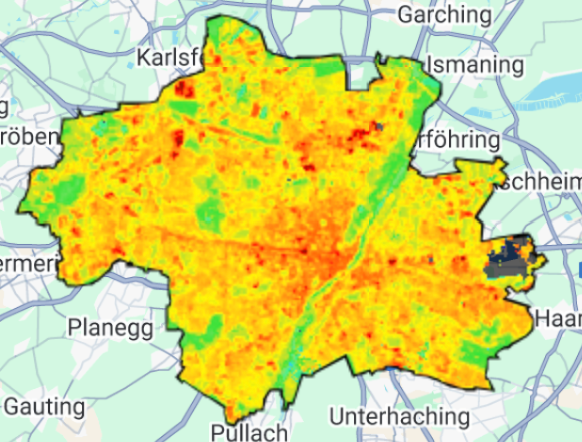
Observe the progress of urban heat islands in Munich from 2016 to the present due to climate change:
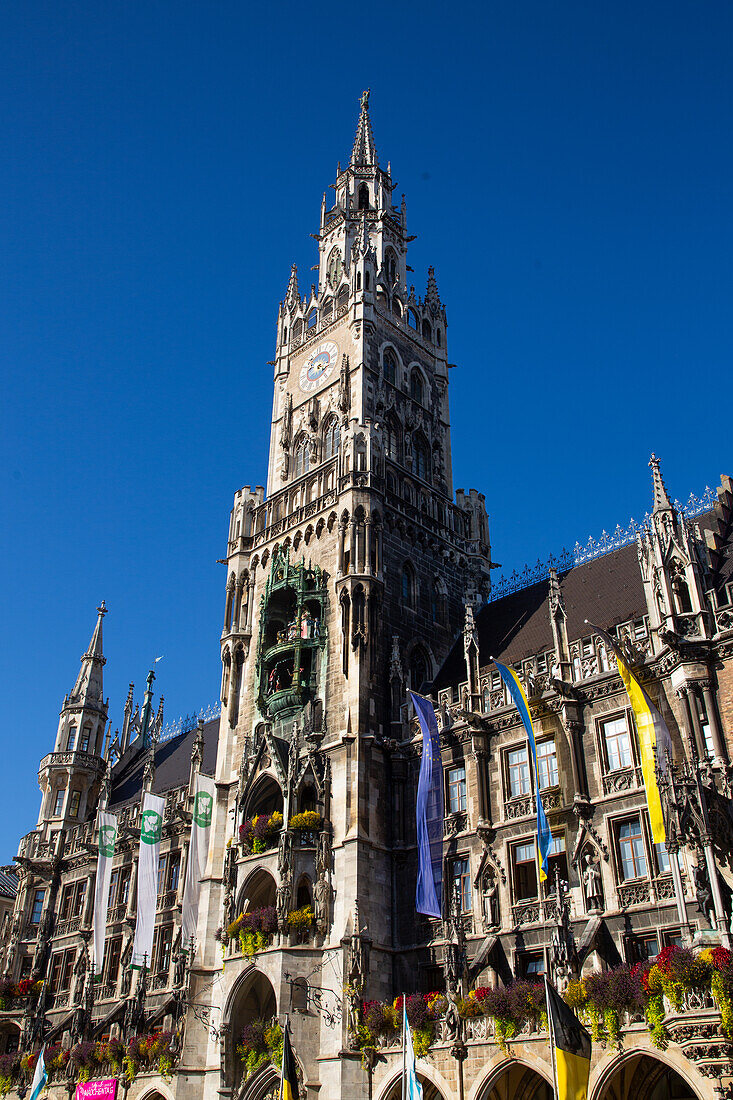
Challenge: An HVAC engineer used our platform to tackle the urban heat island effect in Marienplatz. The goal was to design a sustainable, cost-effective system for a commercial building.
Solution: By leveraging our UHI map and recommendations, the engineer identified hotspots and implemented measures such as thermal insulation, reflective cool roofs, and smart zoning. The design incorporated real-time IoT monitoring for efficiency.
Outcome: The building’s cooling costs were reduced by 25%, saving €50,000 annually, while reducing the carbon footprint by 18%.
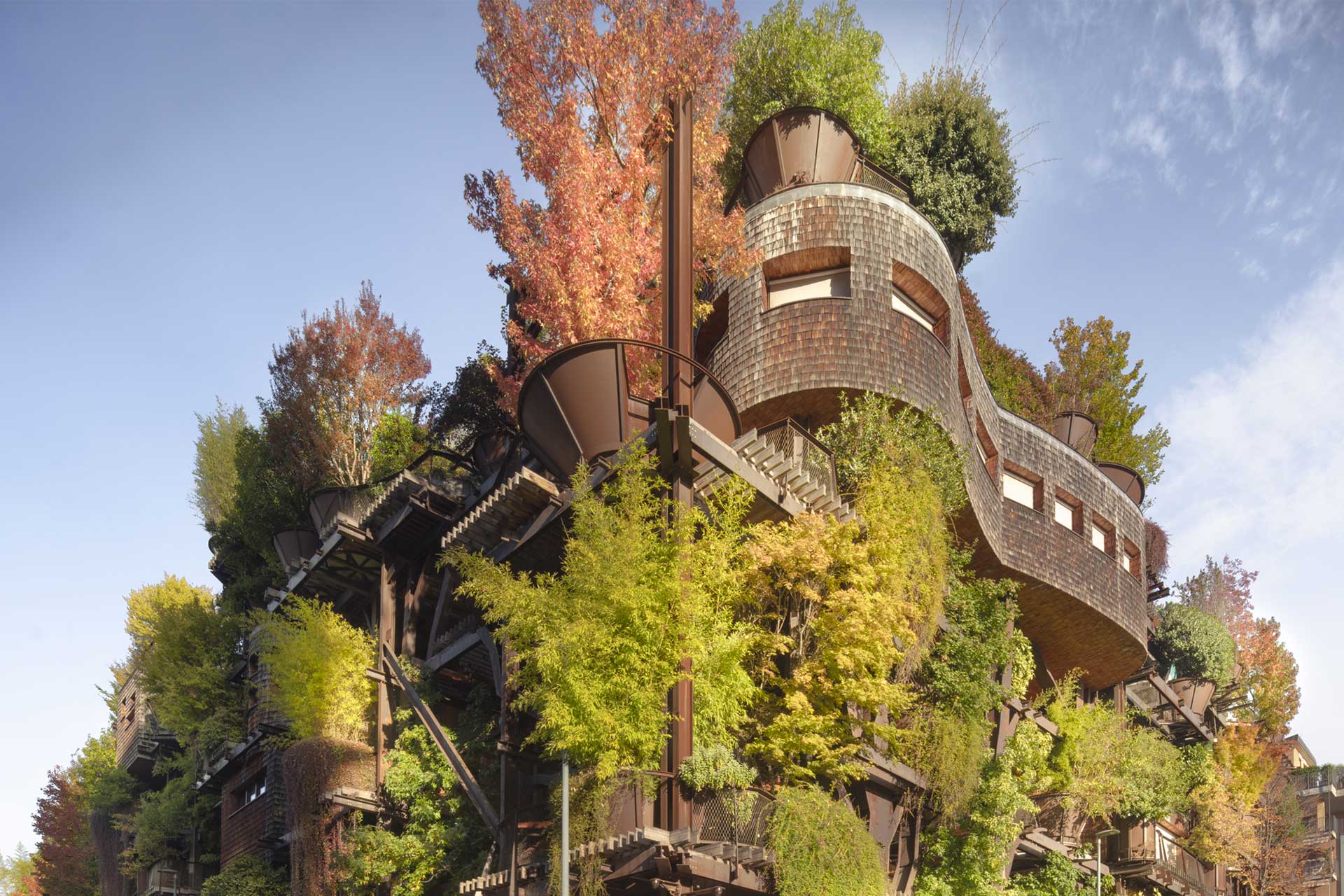
Rome and Turin, Italy
Reduced urban air temperature by over 1°C in summer; 0.33°C average reduction in Rome and 0.5°C in Turin. Peaks of 1.17°C reduction in Rome. Simulation of 12,000 m² green roofs and 60,000 m² green walls in Rome; 6,000 m² living walls in Turin. Effectiveness depends on urban geometry, building height, and plant species.
View Project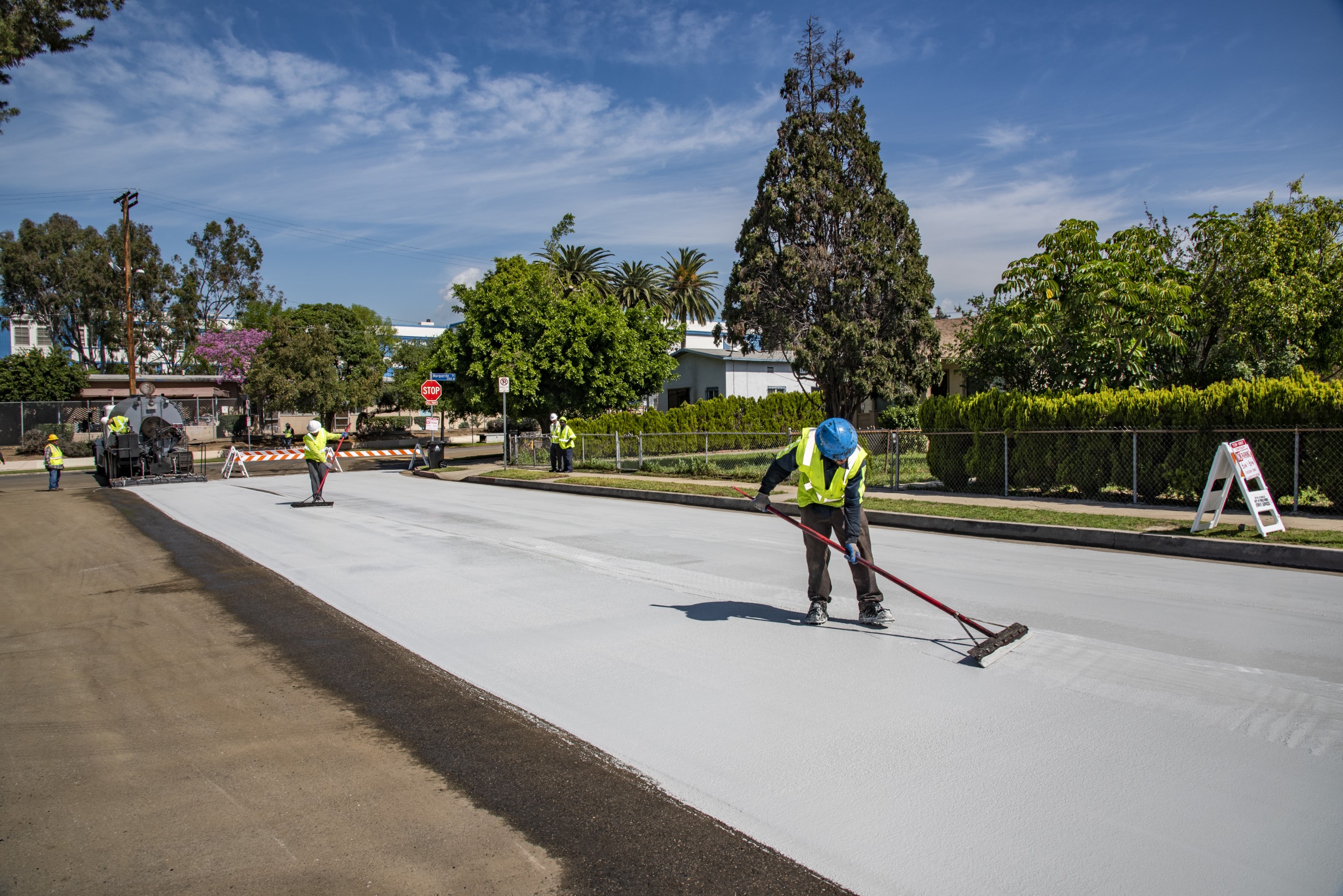
Los Angeles, USA
Reduced temperature in Los Angeles by 2–3K; air pollution equivalent to removing all vehicle exhaust. Resurfacing two-thirds of pavements and rooftops with reflective materials; planting three trees per house. Provides cooling energy savings of $100 per air-conditioned home annually.
View Project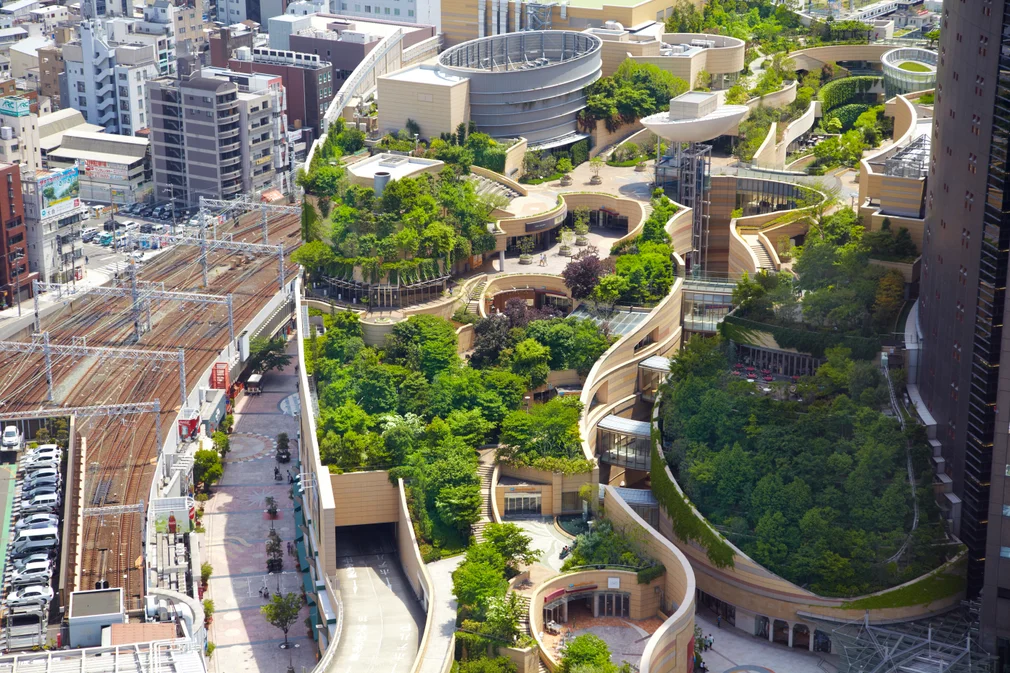
Many cities worldwide
Cooling effect of green roofs ranges from 1°C (hot-humid climates) to 3°C (dry climates). Surface temperature reduction of 30°C in hot-humid cities. Review of 89 studies from 2000–2020 across various climate types.
View Project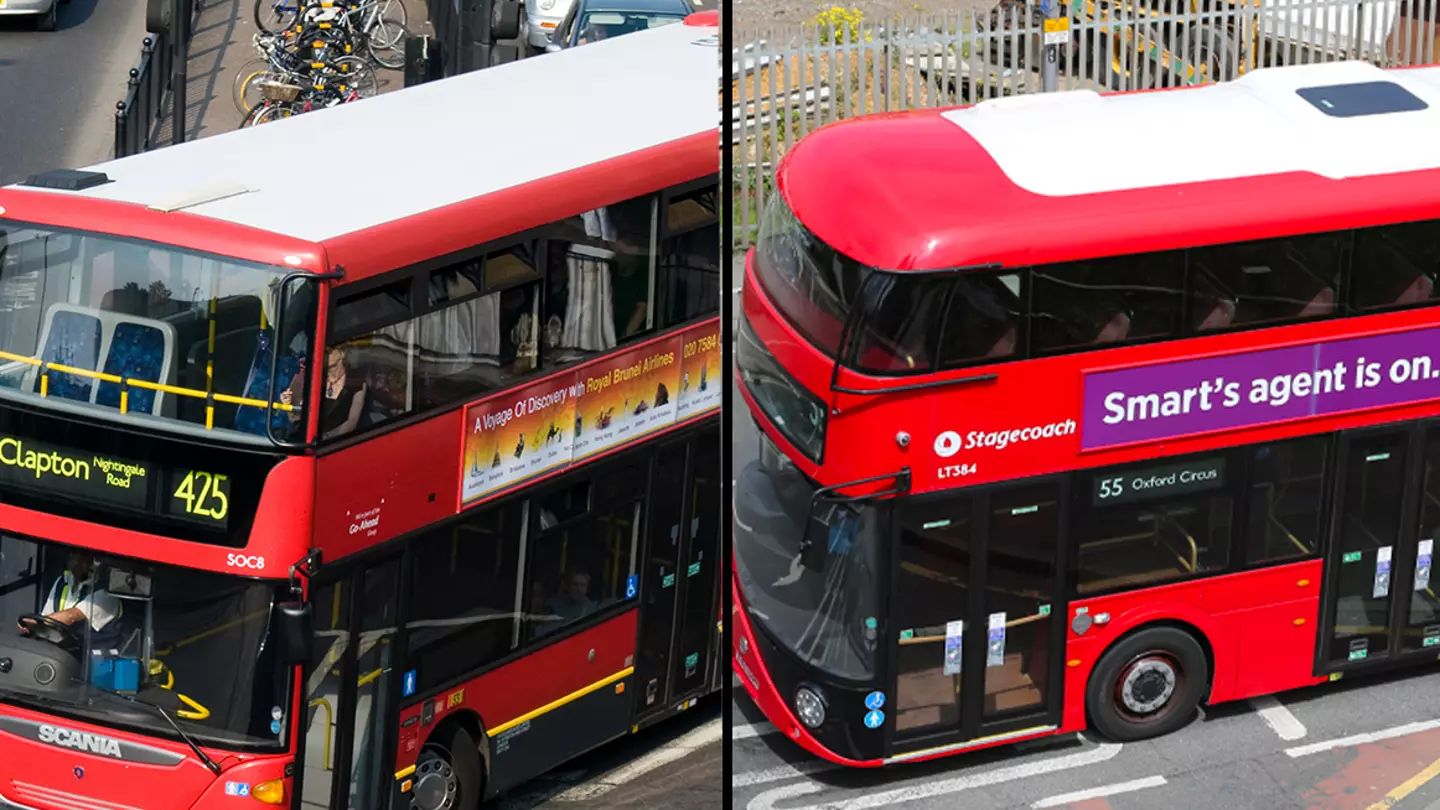
United Kingdom
Could have reduced heat deaths by a third in the 2003 European heatwave. Retrospective study analyzing white roofs' reflective cooling effect.
View Project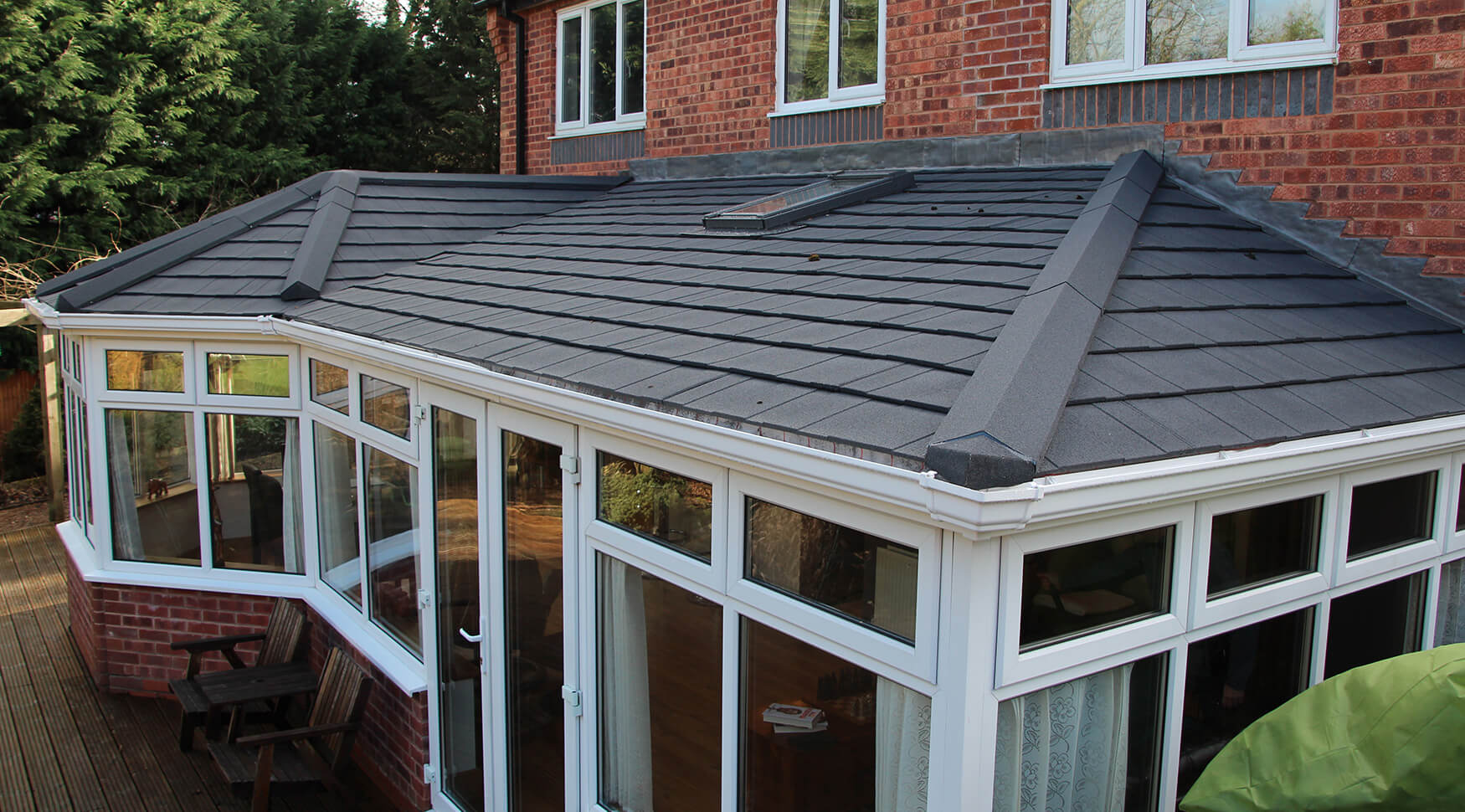
West Midlands, United Kingdom
Reduced city center daytime 2m air temperature by 0.5°C on average during heatwaves; up to 3°C reduction at peak daytime temperatures. Reduced UHI intensity by ~23%, offsetting 18% of seasonal UHI-related heat-related mortality.
View ProjectHeattropolis is your all-in-one platform to identify urban heat issues, detect temperature hotspots, and implement targeted interventions. Our comprehensive lifecycle diagram illustrates how cities can integrate real-time data and actionable insights to create cooler, more sustainable environments.